
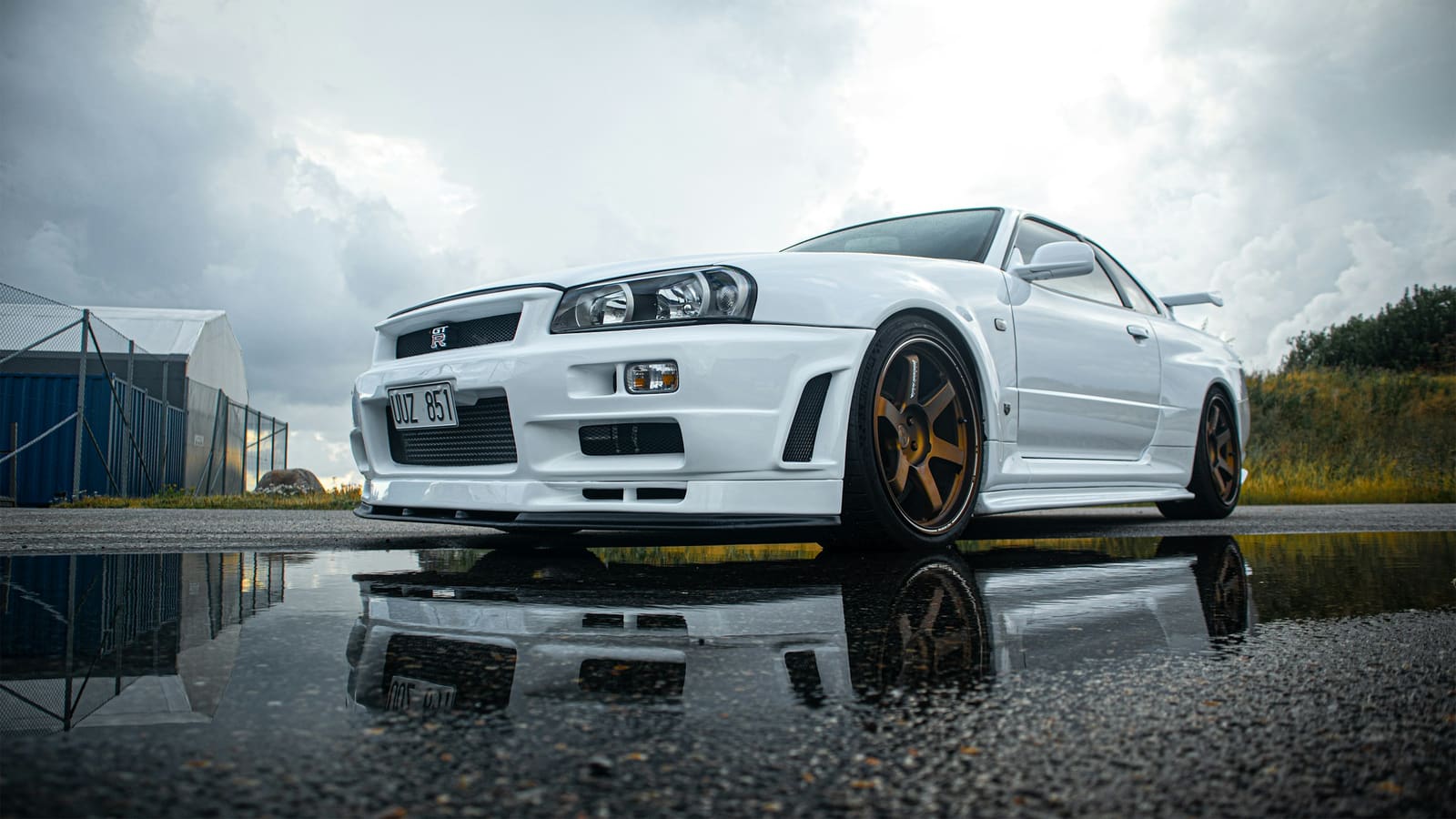
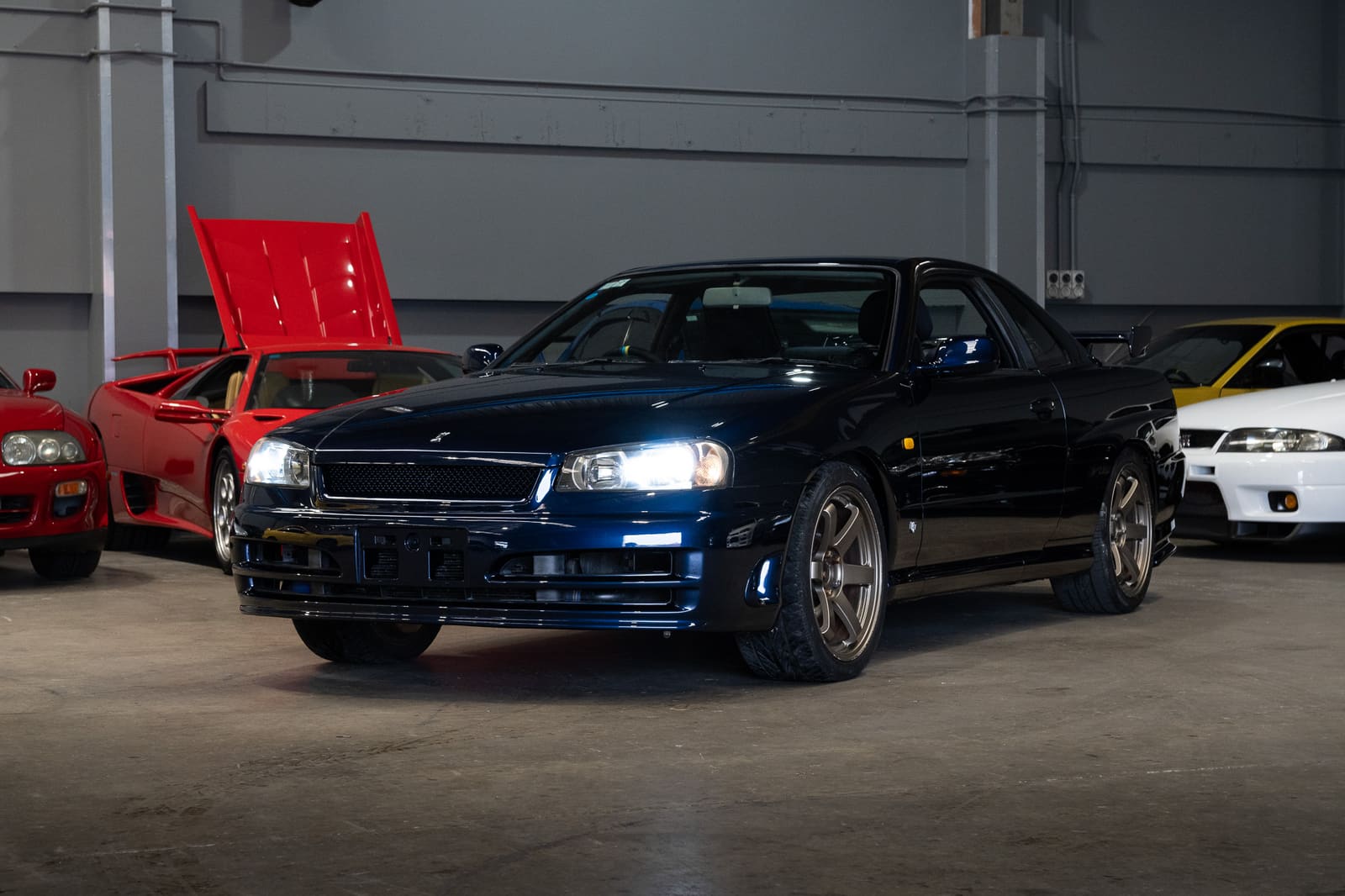
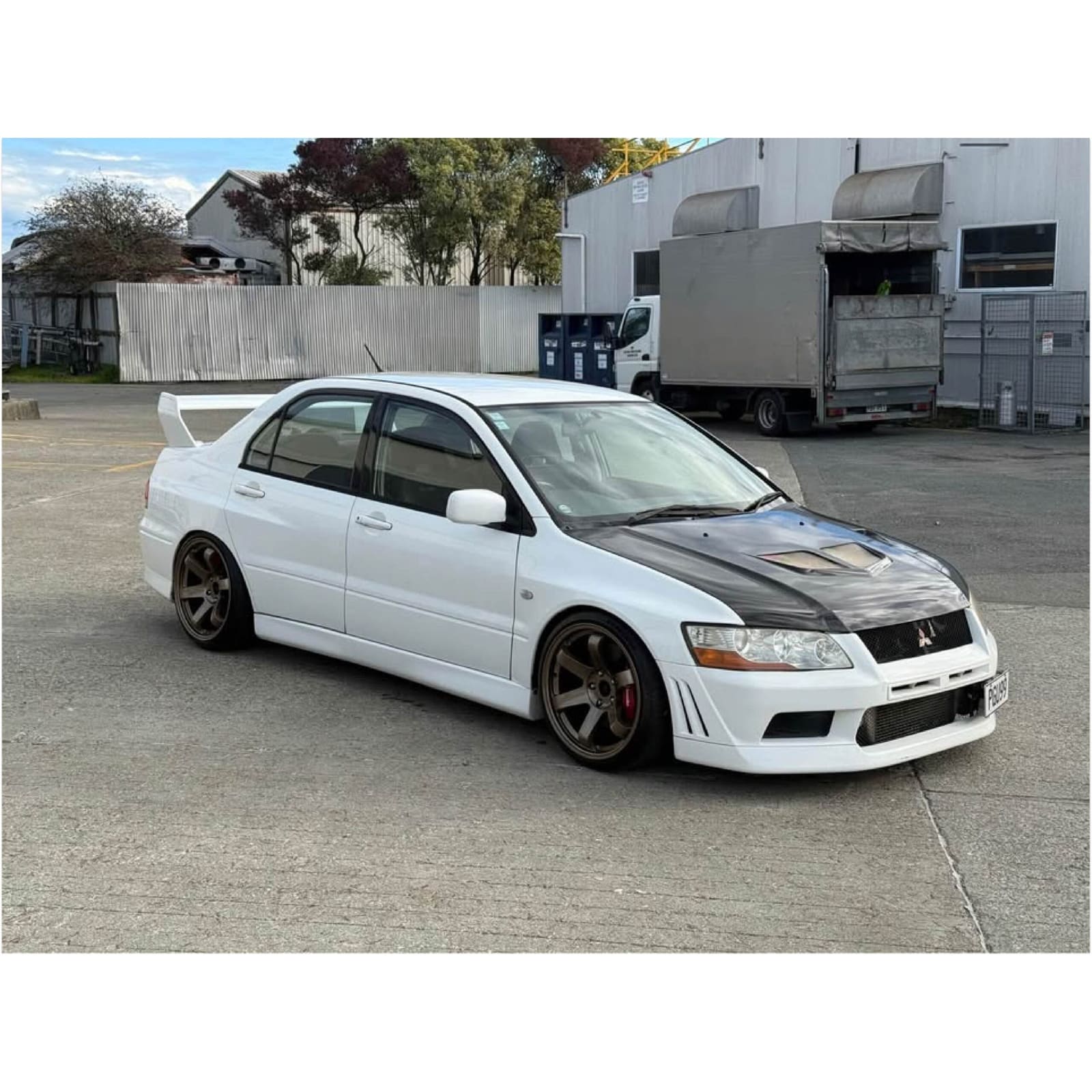
If you're an Aussie hunting for a clean Mk4 Supra, an R32, R33 or R34 Skyline GT-R, or a Mitsubishi Evo, sourcing from New Zealand makes more sense than most buyers initially realise. Both countries drive on the left, the Pacific shipping routes are short, the language is the same, and the NZ JDM pool is genuinely deeper than what's currently moving locally.
We import these cars across the ditch every week. This is the buyer's guide we wished existed when we started, written for the buyer who wants to know what they're actually committing to before they sign anything.
Why we keep pointing Aussies at New Zealand
A few reasons we come back to.
Right-hand-drive end-to-end. No conversion, no compliance grey area, no driver-position weirdness. The car was born RHD and will stay RHD.
Realistic shipping timelines. 1–2 months for Auckland to Brisbane or Sydney, and 2–3 months to any US port.
English documentation. Service records, ownership history, inspection paperwork, already in English. No translation step before state registration.
Better pre-purchase visibility. Most NZ-resident cars can be inspected and test-driven before you commit. Japanese auction purchases are based on a grade sheet and a few photos. Different game.
The currency. The Australian dollar has been strong against the currency of the market we source from, and that advantage flows straight through to you. A clean example often lands in Brisbane for around AU$72,000 before duties, roughly 15% under the same spec via Japan auction with all its fees stacked on.
The two pathways for legal import
The 25-year personal import rule
Any vehicle 25 years or older is eligible for import as a Personal Import under the Road Vehicle Standards Act. This is the simplest path, and it covers most JDM heroes:
- Toyota Supra Mk4 (1993–2002): the entire JZA80 production run is now eligible.
- Nissan Skyline GT-R R32 (1989–1994), R33 (1995–1998): fully eligible. R34 (1999–2002) eligibility rolls in month-by-month through 2027.
- Mitsubishi Lancer Evolution I through VII: fully eligible. Evo VIII clears by 2028, Evo IX by 2030.
- Honda NSX, Mazda RX-7 FD, Toyota Chaser JZX100, Nissan 300ZX Z32 Twin Turbo are all eligible.
Personal imports need an Import Approval from the Department of Infrastructure. The application is online and typically processes in 4–8 weeks.
SEVS for newer enthusiast cars
The Specialist and Enthusiast Vehicle Scheme (SEVS) covers a curated list of newer performance cars. SEVS imports come through a Registered Automotive Workshop (RAW), which performs compliance work and issues an Identification Plate.
SEVS-listed cars relevant to NZ sourcing include:
- Nissan R35 GT-R (Premium, Black Edition, Track Edition, Nismo): all years
- Mitsubishi Evo X (specific variants)
- Toyota GR Yaris and GR Corolla
- Various Honda Type R variants
- Nissan 370Z Nismo and Z34 variants
SEVS imports cost more than personal imports because of the RAW compliance work, but the path is well-trodden.
The asbestos rule: the part that catches most first-timers
Australia has a complete ban on asbestos in any imported product, and that includes motor vehicles. Many older Japanese cars used asbestos in clutch friction material, brake pads, and gasket compounds during their production years. Even a 25-year-old vehicle being imported as a personal import has to be certified asbestos-free before it can clear customs in Australia.
Two ways to handle this:
- NATA-accredited laboratory test on samples from the friction components
- Replacement of all suspect components (clutch, brake pads, gaskets) with verified asbestos-free parts before shipping, with statutory declarations from the supplier
Asbestos testing and certification can be expensive. Typical market quotes range AU$1,500–3,500. We handle this on the NZ side as part of pre-shipment prep: our testing service is AU$480, including NATA-accredited lab work in Auckland and all documentation Australian Border Force needs. The replacement path costs more depending on which components need swapping.
What actually happens, week by week
Sourcing (1–4 weeks)
Pick from our existing NZ inventory or brief us on a specific spec.
Import Approval application
For 25-year personal imports: an online application via the federal Vehicle Import Approval system. 4–8 weeks turnaround. You can submit it yourself, or we can handle the entire application for AU$550.
Pre-purchase inspection
Independent inspector, not the seller's mechanic. Compression, leakdown, body and undercarriage, full diagnostic scan, written report with photos. If something doesn't match the listing, you walk with no penalty.
Purchase and NZ paperwork (5–10 days)
Funds to NZ-side trust handling. Ownership change at NZTA. Certificate of Permanent Export issued.
Pre-shipment prep (1–2 weeks)
- Asbestos testing and certification
- Australian DAFF biosecurity wash
- Battery disconnect, fuel reduction, loose item removal
- Final photographic record
Shipping
Auckland to Australia is typically a 30 day ocean leg, depending on the ship and weather. Brisbane and Sydney typically run shortest; Fremantle is the longest east-to-west route.
Plan for 1–2 months total logistics time, which covers vessel waiting time, the ocean leg, port arrival processing, biosecurity and customs clearance on the Australian side. Most of our completed imports land in that window.
RoRo (roll-on/roll-off) runs AU$1,800–2,400 depending on port. Container shipping is AU$3,500–5,500 and recommended for cars over AU$120,000 or where paint protection is critical.
Australian customs and biosecurity clearance
Your customs broker handles:
- Vehicle import declaration
- Biosecurity inspection at port (typically AU$400–600 in fees)
- Customs duty (5% of customs value)
- GST (10% of customs value + duty + shipping)
- Luxury Car Tax if applicable (33% on the amount above the LCT threshold, AU$80,567 in 2026 for fuel-efficient vehicles, AU$71,849 for other vehicles)
State registration
Each state handles things differently:
- Queensland: straightforward. Modified Vehicle Inspection if the car has any modifications outside factory spec.
- New South Wales: engineering certificate (blue/pink slip) required for any non-stock components. 6–8 weeks.
- Victoria: VicRoads inspection. Modified vehicles need VASS engineering approval.
- South Australia: historically the most accommodating for JDM imports. Quick turnaround.
- Western Australia: DoT inspection plus often a club permit pathway for older cars.
The mistakes we see most often
- Forgetting asbestos certification. A car landing in Sydney without it gets held at port. Daily storage fees mount fast. Always confirm certification is sorted on the NZ side before the vessel sails.
- Not budgeting for LCT. Cars over the AU$71,849 threshold (or AU$80,567 for fuel-efficient) trigger 33% Luxury Car Tax on the amount above. This adds tens of thousands to the landed cost on a Mk4 Supra or R34 GT-R. Plan for it.
- Choosing the wrong port. Brisbane is usually fastest and cheapest from Auckland. Shipping to Fremantle for a Perth buyer often costs more than shipping to Sydney plus interstate transport.
- Underestimating state registration timelines. NSW blue/pink slip plus engineering certificate can run 8–12 weeks for a modified car.
- Not understanding the Modified Vehicle Inspection. If the NZ car has aftermarket boost controllers, ECUs, suspension changes, or non-standard wheels and tyres, plan for an engineering certificate at the AU end.
Where we fit
We handle the NZ side of every step: sourcing, inspection, purchase, NZ export, asbestos certification, biosecurity prep, and shipping handover. You get English-language documentation throughout, transparent pricing in AUD, and a single person you can email when you have a question.
If you're starting a search, browse our inventory or tell us the spec you're chasing. We come back within one business day with options and an honest landed cost in AUD.