
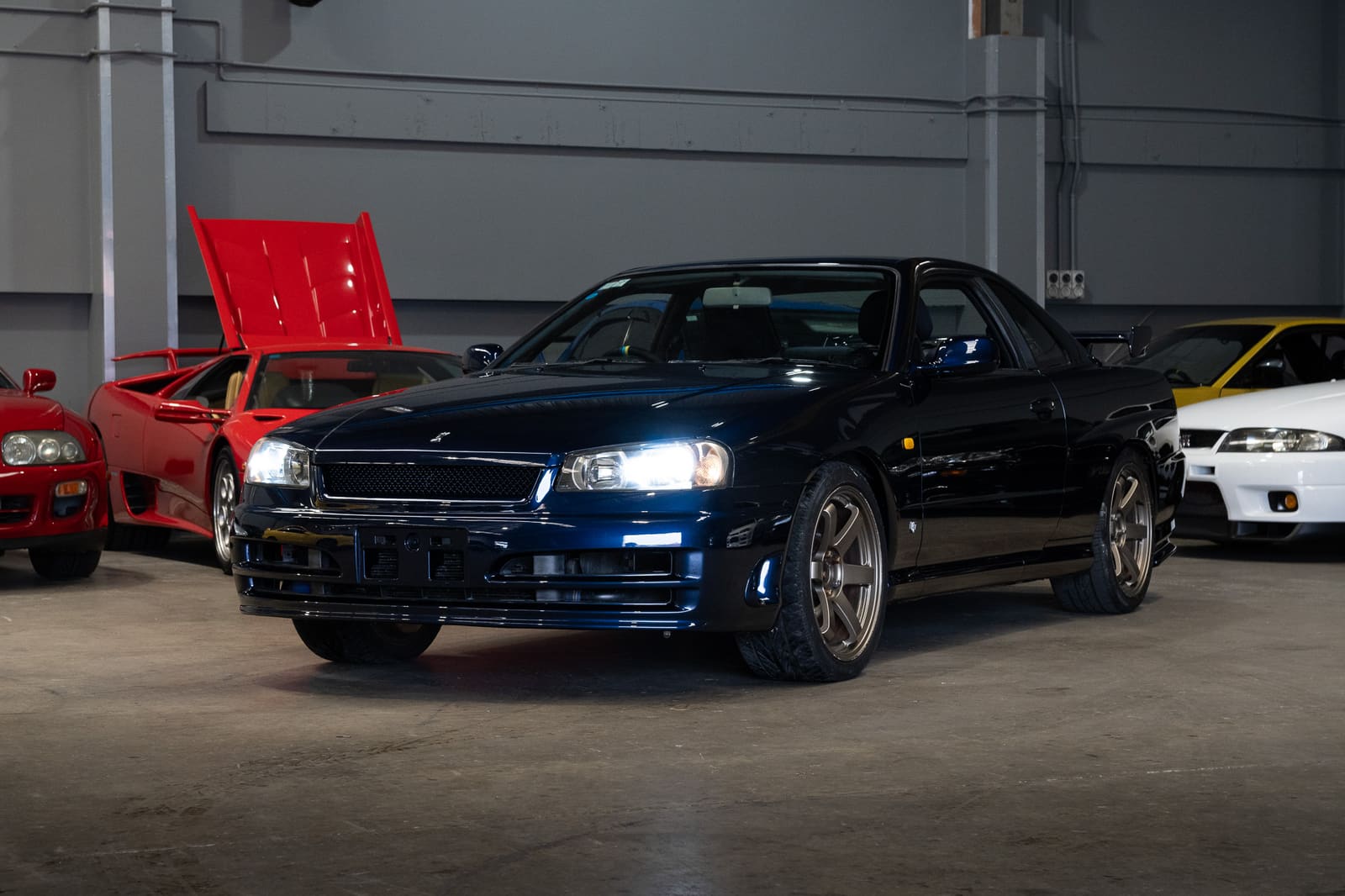
If you're importing a car to Australia, this is the rule that catches more first-timers than any other, and the one that can leave a car stranded at the dock. Here's exactly how the asbestos requirement works and how we handle it.
Why asbestos is a problem
Australia has a complete ban on asbestos in any imported product, and that includes motor vehicles. Many older cars, Japanese and European alike, used asbestos in clutch friction material, brake pads and gasket compounds during their production years. Critically, there is no exemption for age: even a 25-year-old car being imported as a personal import must be certified asbestos-free before it can clear customs.
How you prove it
Two accepted paths:
- NATA-accredited laboratory testing of samples from the friction components (clutch, brake pads, gaskets).
- Replacement of all suspect components with verified asbestos-free parts, with statutory declarations from the supplier.
Testing typically costs AU$1,500–3,500 on the open market; replacement costs more depending on which parts need swapping.
How Importify handles it
We manage asbestos certification on the New Zealand side as part of pre-shipment prep: NATA-accredited lab work in Auckland and all the documentation Australian Border Force needs, so the car ships already certified and clears customs without drama. It's built into the process, not a surprise at the end.
The mistake to avoid
A car landing in Sydney or Melbourne without certification gets held at the port, and storage fees accrue daily. Always confirm certification is sorted before the vessel sails. It's the difference between a smooth import and an expensive one.
See the full cost of importing to Australia and which cars are eligible, or see your state: Queensland, Victoria.
Frequently asked questions
Do I need asbestos certification to import a car to Australia?
Yes. Australia has a total ban on asbestos in any imported product, including vehicles. Even a 25-year-old car must be certified asbestos-free before it can clear Australian customs. There is no exemption for age or personal imports.
How do you prove a car is asbestos-free?
Two ways: a NATA-accredited laboratory test on samples from the friction components (clutch, brake pads, gaskets), or replacing all suspect components with verified asbestos-free parts and supplying statutory declarations. We handle the testing route in Auckland before the car ships.
How much does asbestos certification cost?
Market quotes for testing and certification typically run AU$1,500–3,500. We handle it as part of pre-shipment prep, including NATA-accredited lab work and all the documentation Australian Border Force requires.
What happens if a car arrives without asbestos certification?
It gets held at the port, and daily storage fees mount fast while you sort it out. This is the single most common and most expensive mistake first-time importers make, which is why we certify on the New Zealand side before the vessel sails.


