Importify Cars
▸ For US buyers

US car import
finance.

Financing an imported vehicle in the United States works differently from a dealership loan, because a 25-year-rule import has no book value, so collector-car and specialty lenders underwrite it as an asset. Model the repayment here. A new US finance option is coming soon.

Until it’s ready, buyers commonly use savings, an unsecured personal loan from their own bank or credit union, or an existing line of credit. Applying for finance is never a condition of buying from us.

What would it cost?

Move the sliders to model a repayment

Vehicle price$65,000
$10,000$400,000
Deposit$15,000
$0$65,000
Estimated interest rate7.00% p.a.
Term
Amount to finance$50,000
Estimated monthly

$990

5 years at an estimated 7.00% p.a. · about $9,404 in interest over the term

A new US finance option is coming soon.

An estimate only, based on an assumed 7% p.a. Importify is not a lender and this is not a quote, an offer of credit, or an indication that finance is available. Your actual interest rate and repayment depend on your lender and your circumstances.

Why importing changes the finance.

Most American buyers importing a vehicle under the 25-year rule find the same thing: the car is the easy part, and the finance is where it gets awkward. Mainstream auto lenders are built around a dealership transaction with a VIN, a book value and a lot to repossess from. A vehicle still in New Zealand, waiting to ship, fits none of that.

It is entirely doable: collector-car lenders, specialty finance and asset lending all handle imports routinely, but the structure depends on the car, the landed cost and your own position.

We’re lining up a new US finance option, and this page will link to it as soon as it’s ready. Until then you’re free to use any lender you like, and nothing about buying a car from us depends on finance. What we bring is the vehicle documentation your lender needs to support it.

Still overseas or already titled?

Most US lenders want a vehicle with a US title before they lend against it, and a car still in New Zealand or on the water doesn’t have one yet. That’s why the timing of the finance matters.

Before the car lands

A car still in New Zealand or on the water has no US title yet, so a lender can't record a lien on it. Buyers at this stage commonly use an unsecured personal loan, savings or an existing line of credit for the purchase.

Once it's titled in your state

After the car clears customs and is titled and registered, collector-car and specialty lenders can lend against it as an asset. Some buyers who paid unsecured refinance at this point.

Either way, the lender’s terms are theirs to set. We supply the vehicle documentation they ask for.

The paperwork behind a US import.

  1. 01

    Export from New Zealand

    We prepare the export documentation and ship the car to your nearest US port.

  2. 02

    US customs entry

    A customs broker files the entry with CBP when the car arrives, and the import duty is paid.

  3. 03

    DOT and EPA declarations

    DOT Form HS-7 declares the 25-year exemption from federal safety standards. Emissions are separate: on EPA Form 3520-1, a vehicle 21 years or older is exempt only if it's still in its original configuration.

  4. 04

    State title and registration

    Your state's DMV issues the title and registration. A secured lender records its lien on that title.

What to know.

The landed cost is the real number

Financing an import means financing more than the car. Ocean freight, marine insurance, customs entry, duty, port fees and DOT/EPA compliance for a 25-year-rule vehicle all land before you drive it, and a lender wants the whole figure, not the purchase price, before it can quote sensibly.

A classic import is not a standard auto loan

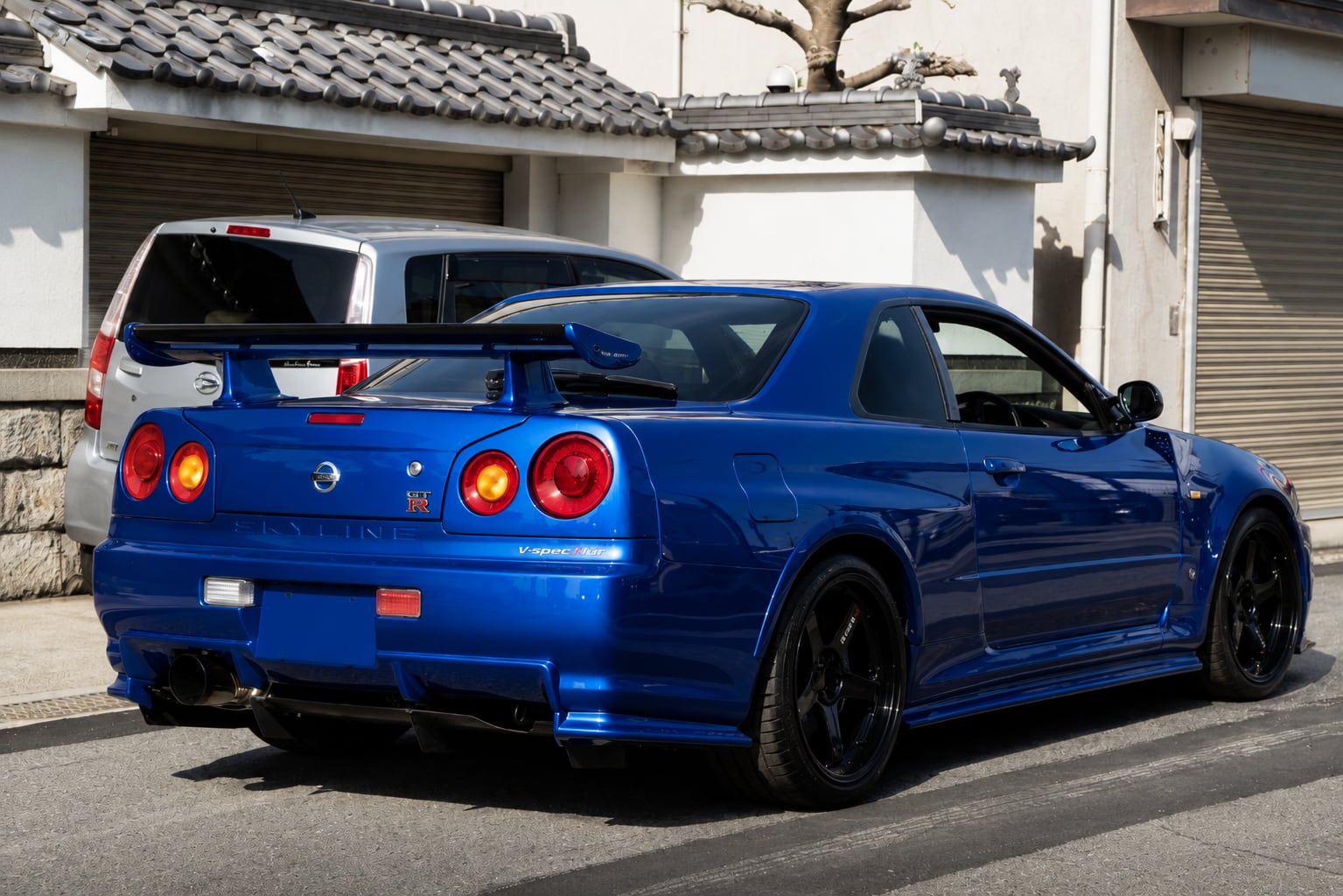
Most US banks price an auto loan off a book value, and no book value exists for a grey-import R34 Skyline or a low-mileage European classic. Collector-car and specialty lenders do write this business, but they underwrite the vehicle as an asset, which is why the documentation on our side decides how smoothly it goes.

We supply what a lender asks for

Importify Cars provides the vehicle documentation a specialty lender needs to value an import: chassis and specification details, an independent pre-purchase inspection, and a clear invoice showing the landed cost. We do not lend, broker or assess. We make the asset legible to whoever does.

Want the landed cost before you talk to anyone about borrowing? Run it through our import cost calculator first, because a lender’s first question is how much you actually need.

US import finance questions.

Can you finance a car imported into the United States?
Yes. Imported vehicles are financed in the United States every day, usually through collector-car or specialty lenders rather than a mainstream auto loan. The complication is not legality but valuation: a 25-year-rule import has no standard book value, so lenders underwrite the vehicle as an asset using its specification, condition and landed cost.
Why won't a normal auto loan cover an imported vehicle?
A mainstream US auto loan is built around a dealership transaction: a VIN already in the system, a book value to price against, and a car on a lot to repossess. A vehicle still overseas at the point of finance fits none of those, so most banks decline it as a matter of process rather than of credit.
Does Importify Cars provide finance?
No. Importify Cars is a vehicle importer, not a lender, credit broker or financial adviser. We do not provide credit, assess applications, run credit checks or guarantee that finance will be available. We supply the vehicle and the documentation your lender needs. A new US finance option is coming soon; until then, you can use any lender you choose.
What can I borrow against, and is shipping included?
That depends entirely on your lender. Some will finance only the vehicle's purchase price; others will consider the full landed cost including freight, duty, customs entry and compliance. Because it varies, model the landed figure first. The Importify import cost calculator gives you the shipping and duty estimate to take to a lender.
How much deposit do I need for an imported car?
There is no single answer, because the deposit is set by the lender and the asset. Specialty lenders financing a collector vehicle often look for a larger deposit than a mainstream auto loan would, precisely because the valuation is less standard. The calculator on this page lets you model any deposit against any rate to see what it does to the repayment.
Is the calculator on this page a quote?
No. It is an illustration that uses an estimated interest rate you choose yourself, so you can see how price, deposit, term and rate interact. Importify Cars is not a lender and cannot offer credit. Your actual interest rate and repayment come from your chosen finance provider after their own assessment.
How do I apply for finance on an imported car?
Apply to the lender directly. A new US finance option is coming soon, and this page will link to it when it's ready. Until then, buyers apply directly with a lender of their choice, such as their own bank or credit union. Importify Cars is not a lender or credit broker: we do not see or assess your application, and applying for finance is never a condition of buying from us.
What paperwork will my lender want from you?
Typically the vehicle's chassis and specification details, evidence of condition such as an independent pre-purchase inspection, and an invoice that itemizes the landed cost rather than just the purchase price. Importify Cars provides all three as part of the import, which is usually what a specialty lender is missing when an import stalls.
Can I finance a JDM car before it reaches the US?
Usually not with a secured auto loan, because a lender can't record a lien on a car that has no US title yet. US buyers importing a 25-year-rule car from Importify, which ships from New Zealand, typically use an unsecured loan or cash for the purchase, and some refinance with a collector-car lender after the car is titled in their state. Importify Cars is not a lender and does not arrange either.
What is the 25-year rule, and why does it matter for financing?
A vehicle at least 25 years old can be imported into the United States without meeting current federal safety standards, declared on DOT Form HS-7. Emissions are a separate test: the EPA exempts vehicles 21 years or older that are still in their original configuration, so an engine swap can matter. Lenders care because a legally imported, titled car is one they can value and lend against.
Will a lender want the car titled before they lend?
A secured lender generally needs the car titled and registered in your state so it can record its lien on the title. Until then, financing an import is usually unsecured. Ask your lender what they need and when.
Is a classic car loan the same as financing an import?
Often, yes. Collector-car and classic car lenders are the usual home for a 25-year-rule import because they value the car as an asset rather than against a dealer book value. The difference is timing: most want the car in the US and titled first.

US finance, coming soon.

We’re lining up a new finance option for US buyers. Until it’s ready, talk to our team about the car and its landed cost, and use any lender you choose.

Importify Cars is not a lender, credit broker or financial adviser. We do not provide credit, assess applications, run credit checks or guarantee that finance will be available for any vehicle. Any lending is a matter between you and your chosen finance provider, on their terms. Buying a vehicle from us is not conditional on using any lender.

Related

  • Import cost calculator

    Shipping, duty and compliance: the landed figure a lender will ask for.

  • Available inventory

    The cars this finance is for, with chassis and specification detail.

  • Australian finance

    Buying into Australia instead? Different market, different finance options.

  • NZ finance

    Buying a car in New Zealand? Finance any car here through Levr, our NZ finance partner.
