
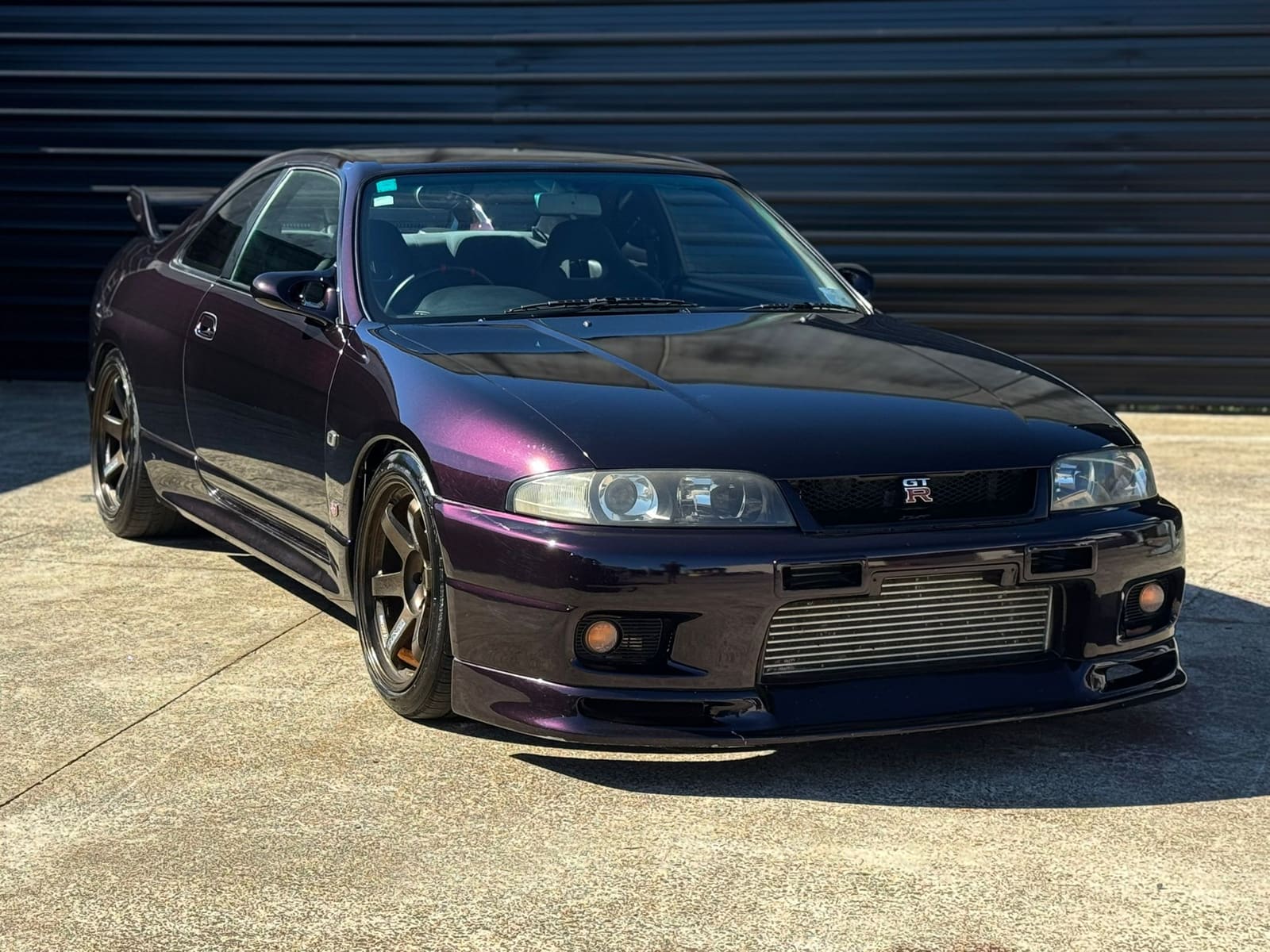
Importing a JDM car is a real commitment, so the honest question is: is it worth it? Here's a straight answer covering value, ownership and the risks, and where they can be managed.
The value case
For the right car, importing is one of the few ways to buy a genuine appreciating asset you can also enjoy. The R34 GT-R, Mk4 Supra and FD RX-7 have all climbed steeply, and eligibility spreading under the 25-year rule keeps pulling new buyers into a fixed, shrinking supply. Clean, original, documented cars are the ones that hold and grow value.
The ownership reality
Right-hand drive sounds like a hurdle and turns out not to be. Most owners forget about it within a week. Parts for the popular models are well supported, and these cars are mechanically honest. The real work is what any 25-plus-year-old performance car needs: maintenance, and buying a good one in the first place.
Where the risk actually is, and how to kill it
The biggest risk in importing is buying the wrong car sight-unseen. That's exactly what sourcing from New Zealand removes: the car can be inspected and often driven before you commit, the history is in English, and an independent pre-purchase inspection puts a written report in your hands. You're not bidding on a grade sheet.
If the answer is yes: see the best cars to import, how the process works, and what it costs.
Frequently asked questions
Is it worth importing a JDM car?
For the right car, yes. Many JDM heroes are appreciating assets, importing gets you a spec never sold locally, and sourcing from New Zealand means a right-hand-drive car with English history you can inspect before buying. The value case is strongest on clean, original, documented examples.
Do imported JDM cars hold their value?
The blue-chip models (R32/R33/R34 GT-R, Mk4 Supra, FD RX-7) have appreciated strongly and continue to. Originality and documented history matter most; a modified or poorly-kept car of the same model is worth materially less.
Can you daily drive an imported JDM car?
Many are perfectly usable as dailies, especially the more touring-oriented models. The main considerations are right-hand drive (a non-issue for most owners after a week), parts availability (strong for popular models), and keeping a 25-plus-year-old car maintained.
Why import from New Zealand instead of Japan?
You can inspect and often test-drive the actual car before committing, the ownership and service history is in English, and there are no Japanese auction fees or sight-unseen grade-sheet risk. It de-risks the single biggest unknown in importing.


