
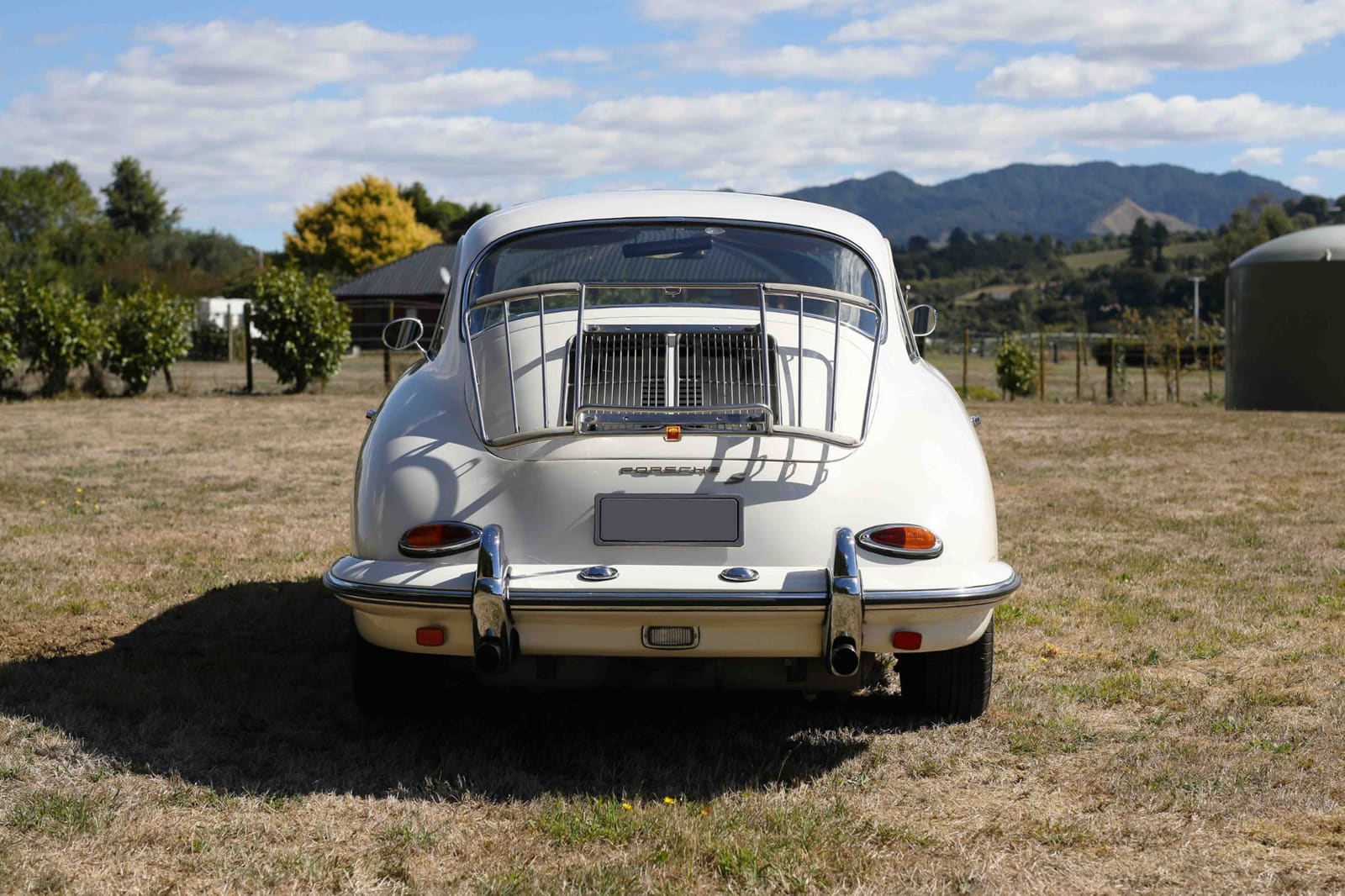
It surprises a lot of buyers: the same asbestos rule that catches JDM importers applies just as firmly to a Porsche, Mercedes or Ferrari, and classics are actually more likely to contain asbestos than the cars it usually gets discussed around.
Yes, and classics are the higher risk
Australia has a complete ban on asbestos in imported goods, vehicles included, with no age exemption. Classic European cars were built when asbestos was standard in friction and sealing components (brake pads, clutch discs, gaskets) so a genuine 1970s or 1980s car is more likely to contain it than a 1990s one. Certification is mandatory before the car can clear customs.
How certification works
Two accepted routes:
- NATA-accredited laboratory testing of samples from the friction components.
- Replacement with verified asbestos-free parts plus statutory declarations.
Open-market testing typically runs AU$1,500–3,500. We handle it in Auckland as part of pre-shipment prep, with the NATA-accredited lab work and all the paperwork Australian Border Force requires.
Why we sort it before shipping
A classic arriving without certification is held at the port with storage fees running daily: a painful start to owning a car you've waited for. Certifying on the New Zealand side means it clears cleanly on arrival.
See the full cost of importing a classic to Australia and how the process works.
Frequently asked questions
Do you need asbestos certification for a classic car in Australia?
Yes. Australia's asbestos ban applies to every imported vehicle, and classic European cars are exactly where asbestos hides: brake pads, clutch friction material and gaskets. Even a 40-year-old car must be certified asbestos-free before it clears customs.
Where does asbestos hide in a classic car?
Historically in friction and sealing components: brake pads and shoes, clutch discs, and various gaskets. Because classics predate the asbestos phase-out, they're more likely than modern cars to contain it, which is why certification is non-negotiable.
How is a classic certified asbestos-free?
Either a NATA-accredited laboratory tests samples from the friction components, or those components are replaced with verified asbestos-free parts backed by statutory declarations. We handle the testing route in Auckland before the car ships.


