
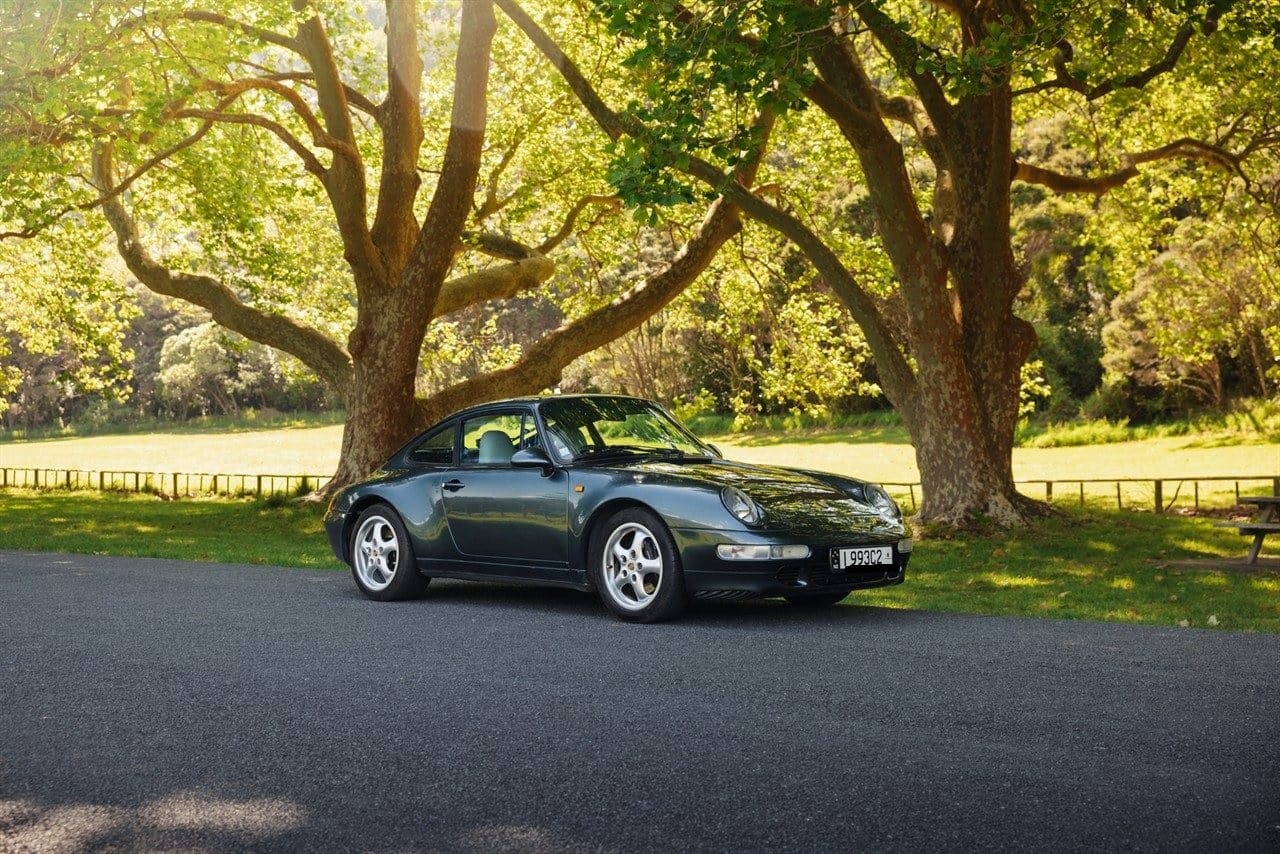
New Zealand quietly holds one of the best-kept European collector markets anywhere: dry stored, low-kilometre Porsches, Mercedes, Ferraris and Jaguars with full paper trails, many right-hand drive from new. Here's how to bring one across the Tasman to Australia.
Step 1: Confirm eligibility
A European classic built 25 or more years ago is eligible under the Road Vehicle Standards Act's older-vehicle pathway (import approval via ROVER). Many newer models are on the SEVS list and come in through a Registered Automotive Workshop. See our European classics import guide for the marque detail.
Step 2: Source and inspect
Pick from New Zealand's collector market or brief us on a specific spec. Because the car is here, it can be inspected and often driven before you commit, with an independent pre-purchase inspection verifying originality, service history and condition.
Step 3: Asbestos certification
Every imported car must be certified asbestos-free before Australian customs, and older European cars are exactly where asbestos hides. We handle NATA-accredited testing in Auckland. See asbestos certification for classics.
Step 4: Ship, clear and register
We ship RoRo or container into Brisbane, Melbourne, Port Kembla or Fremantle and handle NZ export. On arrival you pay 5% duty, 10% GST and any Luxury Car Tax, then register in your state.
See what it costs, or start with our exotic & classic import guides by region.
Frequently asked questions
How do I import a European classic to Australia?
Confirm the car is eligible (25+ years old under the Road Vehicle Standards Act's older-vehicle pathway, or on the SEVS list), source and inspect it, certify it asbestos-free, and ship it from New Zealand. On arrival you pay 5% duty, 10% GST and any Luxury Car Tax, then register it in your state. Importify handles the New Zealand side end to end.
Are European classics eligible for import to Australia?
Yes. A Porsche, Mercedes, Ferrari, Jaguar or other European car built 25 or more years ago qualifies under the older-vehicle pathway, and many newer models are on the SEVS list. New Zealand holds a surprising number of well-kept, low-kilometre European classics.
Do European classics need asbestos certification for Australia?
Yes. The asbestos ban applies to all imported vehicles regardless of origin, and older European cars used asbestos in brakes, clutches and gaskets just as Japanese cars did. We certify on the New Zealand side before shipping.


